
Dubai remains one of the most attractive destinations for expatriates seeking new career opportunities, lifestyle improvements, and international exposure. With its modern infrastructure, multicultural environment, tax-free income structure, and world-class city planning, it draws professionals and families from all parts of the globe. One of the most significant decisions expats make upon arriving in Dubai is whether to rent or buy property. Although both options have merits, renting often stands out as the more practical and flexible choice for many newcomers and long-term residents alike.
This article outlines why renting in Dubai is a smart decision for expats, supported by real market considerations, lifestyle advantages, and financial reasoning. The goal is to provide a clear understanding of how renting can enhance comfort, independence, and long-term planning for individuals and families.
Flexibility in Location and Lifestyle
Dubai offers a wide range of residential communities, each with its own character, amenities, and atmosphere. Renting allows expats to explore different neighborhoods without making a long-term financial commitment. Many expatriates arrive without fully knowing which district will best suit their lifestyle, commute preferences, or cultural expectations. Renting provides the freedom to try living in different regions until the right fit is found.
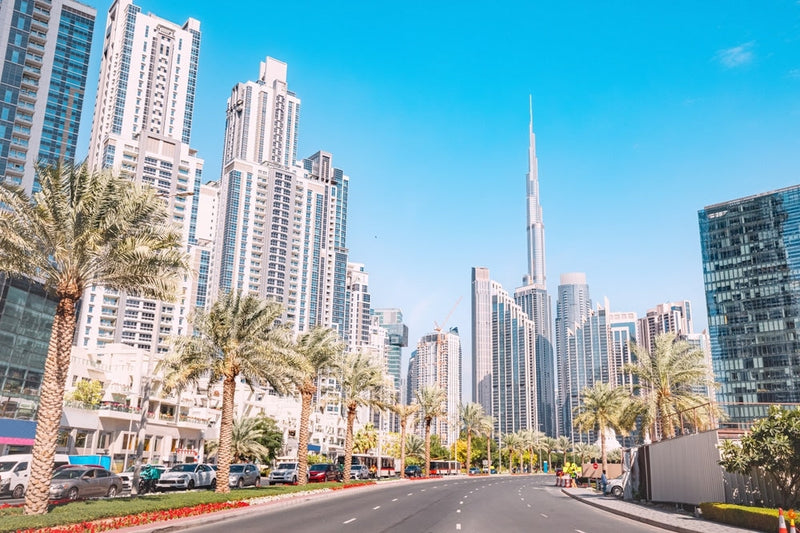
For example, those who prefer a lively urban environment may find areas such as Downtown Dubai, Business Bay, or Dubai Marina appealing. Meanwhile, individuals seeking quiet family-oriented surroundings may choose communities such as Arabian Ranches, Dubai Hills Estate, or Mirdif. Renting provides the ability to relocate with ease, especially for those whose work locations, family needs, or social priorities shift over time.
Lower Upfront Financial Commitment
Purchasing property in Dubai requires significant financial planning. Buyers must usually provide a minimum down payment of 20 to 35 percent of the property value, along with transfer fees, agent fees, mortgage processing fees, and ongoing maintenance costs. These initial expenses can be substantial.
Renting, in contrast, requires far less upfront expenditure. While tenants typically provide a security deposit and pay annual rent, the financial burden is considerably lighter than that of acquiring property. This allows expats to preserve savings for investments, travel, education, or personal development rather than tying a large portion of capital into real estate immediately.
For individuals still adjusting to a new job, new country, or new lifestyle, this flexibility can be especially valuable.
Simpler and Faster Decision-Making
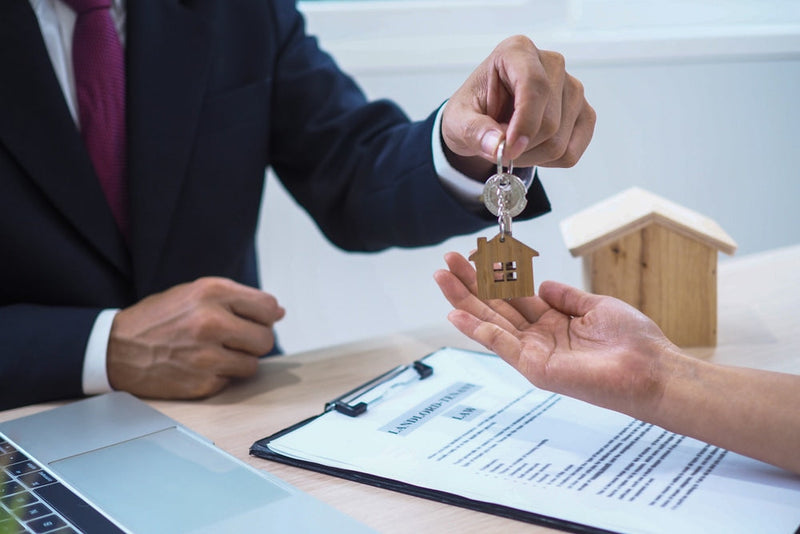
Renting in Dubai is a relatively straightforward process that can be completed quickly. Once a suitable property is selected, tenancy contracts are registered through Ejari to ensure legal protection for both landlord and tenant. The documentation process is standardized, transparent, and supported by government regulations that are easy to understand.
This level of simplicity reduces the stress associated with relocation and provides reassurance to those who are new to the region. There is no need to engage in complex mortgage negotiations, lengthy legal procedures, or extensive property evaluations. The ability to settle into a home efficiently helps newcomers focus on adapting to their new profession and daily routine.
Wide Variety of Housing Options
Dubai is known for its diverse residential offerings. Whether someone prefers a compact studio near transit hubs, a spacious villa in a gated community, or a serviced apartment with hotel-like amenities, the city caters to a full spectrum of preferences. This variety enables expats to align their budgets and lifestyle priorities with a suitable home.
Many properties for lease also include access to facilities such as gyms, pools, play areas, landscaped parks, and community centers. These shared amenities provide added value without requiring additional personal investment. For families, having access to nearby schools, clinics, sports clubs, and shopping centers is also a key advantage, making everyday living more comfortable and manageable.
Ability to Adapt to Career Changes
Many expatriates in Dubai work in dynamic industries where roles and responsibilities can shift. Job opportunities may arise across different districts of the city or even in neighboring emirates. Renting allows individuals to move closer to changing workplaces or join emerging residential communities with improved transportation links or new amenities.
For professionals who expect career growth that may involve location changes, renting provides the agility needed to respond effectively. Without being tied to long-term property ownership, decisions become easier and faster.
Reduced Maintenance Responsibility
Property ownership includes ongoing maintenance obligations, repair costs, and general upkeep. Over time, these responsibilities can become time-consuming and costly. Tenants, however, do not bear the majority of these burdens. In most rental contracts, landlords handle structural repairs, major system failures, and overall building maintenance.
This grants renters the convenience of living in a home without worrying about large expenses related to air conditioning systems, plumbing, exterior facades, or community infrastructure. The reduced responsibility is particularly beneficial for expats who may have limited time to manage household logistics due to work schedules or international travel.
Stable Regulatory Framework and Tenant Protection
Dubai has a structured legal framework that regulates rental agreements through the Real Estate Regulatory Authority (RERA). Tenancy laws are designed to maintain fairness between landlords and tenants. Annual rent increases are controlled by the official Rent Index, dispute resolution channels are available, and tenancy contract registration through Ejari ensures documentation is secure and enforceable.
This stability helps expats feel confident when entering rental agreements. Transparent processes and clear guidelines help prevent misunderstandings and encourage responsible property management practices across the city.
Opportunity to Observe Market Trends Before Buying
The real estate market in Dubai is dynamic and influenced by global economics, local development initiatives, supply trends, and government policy. Renting gives expats time to study the market before making a long-term investment decision. By observing how communities evolve, how infrastructure expands, and how property values shift, potential buyers can choose the right moment to purchase property based on informed judgment.
This patient approach reduces the risk of purchasing a property that may not hold long-term personal or financial value.
Access to Modern Amenities and Smart Community Planning
Dubai’s residential developments are planned with convenience and comfort in mind. Many homes are located within mixed-use communities that combine housing, recreation, education, healthcare, and retail. Tenants benefit from well-designed public spaces, organized transportation networks, pedestrian-friendly zones, and ongoing city maintenance.
Renting provides access to these advantages without requiring the commitment associated with ownership. This allows expats to enjoy a high quality of life while maintaining personal flexibility.
Renting Supports a Smooth Transition to Life in Dubai
Relocating to a new country involves cultural, professional, and social adjustment. Renting provides new residents with the breathing space needed to understand their environment before making major financial commitments. During this time, individuals gain valuable knowledge about commuting times, climate considerations, community features, and personal comfort levels in different parts of the city.
A measured approach to settling in supports emotional well-being and encourages confident decision-making as life unfolds in Dubai.
Top Areas in Dubai Best for Expats
Dubai provides a variety of neighborhoods designed to match different lifestyles. Some tenants look for city life near offices, while others prefer quiet communities with parks and schools. The areas below are among the most popular choices for renters because of their convenience, comfort, and living atmosphere.
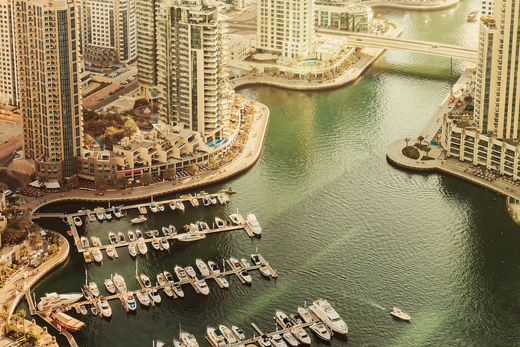
Dubai Marina
Dubai Marina is known for modern waterfront living. It attracts young professionals and those who enjoy an active outdoor lifestyle. The area is lively and social, with convenient access to dining and entertainment.
Key features include:
- High rise apartments with city and water views
- Marina Walk with restaurants, cafes, and shops
- Shared facilities such as gyms and swimming pools
- Metro and tram connections for easy commuting
This area is ideal for individuals who prefer modern living close to leisure activities.
Downtown Dubai
Downtown Dubai sits in the center of the city. It is close to business districts, shopping malls, hotels, and well known attractions. The location makes daily routines simple and efficient.
Highlights of living here:
- Close to Dubai Mall and Burj Khalifa
- Apartments with premium finishes and city views
- Many dining and entertainment choices
- Walking friendly streets and public spaces
Downtown suits professionals who want quick access to work and lifestyle conveniences.
Jumeirah Village Circle (JVC)
JVC is a peaceful residential community with easily accessible services. It offers a relaxed atmosphere without being far from main business zones.
What tenants appreciate:
- Affordable rental options for apartments and villas
- Parks, supermarkets, clinics, and schools in the area
- Organized and quiet environment
- Easy access to main roads connecting to Marina and Business Bay
Families and professionals who want calm surroundings often choose JVC.
Business Bay
Business Bay is a central commercial district with many residential towers. It is suitable for people who want to live near work and avoid long daily travel times.
Advantages of this location:
- Close to Downtown and office areas
- Modern apartment buildings with shared amenities
- Dubai Canal walkway for outdoor activities
- Metro and road network convenience
This area works well for working professionals who prioritize time and accessibility.
Jumeirah and Umm Suqeim
These neighborhoods offer a traditional residential environment. They are popular among families who need more space and easy access to daily facilities.
Key benefits:
- Villas and townhouses with spacious layouts
- Close to schools, clinics, shopping areas, and beaches
- Calm streets and private community feel
- Family friendly parks and outdoor areas
These areas suit families looking for comfort and long term stability.
Dubai Silicon Oasis
Dubai Silicon Oasis is known for affordable and well planned residential options. It is calm and functional, making daily life simple.
Features that attract tenants:
- Budget friendly apartments
- Supermarkets, medical centers, and cafes within reach
- Technology and education centers located nearby
- Quiet environment with easy parking and community access
It is a good choice for students, young professionals, and small families.
Arabian Ranches
Arabian Ranches provides a spacious villa living in a peaceful, green setting. It is designed like a residential retreat away from busy city roads.
Reasons families choose it:
- Large villas with private gardens
- Community schools and shopping centers within the development
- Walking tracks, sports facilities, and golf courses
- Safe and calm atmosphere with strong neighborhood community
This location is ideal for families who want privacy, space, and comfort.
Conclusion
Renting in Dubai offers expatriates a practical, flexible, and financially sensible living arrangement. Working with trusted agencies such as GAMMA Real Estate provides access to verified listings and expert guidance, making the process smoother. It allows residents to explore different neighborhoods, adapt to professional changes, and enjoy high-quality amenities with manageable responsibilities. With a stable regulatory framework, numerous housing choices, and ease of relocation, renting becomes an ideal option for those seeking comfort, convenience, and freedom while building their future in Dubai.
Whether staying for a few years or considering long-term residence, the renting path allows expats to enjoy the benefits of Dubai’s dynamic lifestyle while keeping plans open for future growth and opportunities.
FAQs
What happens after 99 years of leasehold?
Properties sold on a 99-year leasehold give the tenant the right to use the property for 99 years. After that period, ownership returns to the landowner or developer. Some developers may allow lease renewal, but this depends on the property rules. For most people, 99 years is a long-term arrangement similar to ownership for practical purposes.
Is it easy for expats to rent in Dubai?
Yes. Dubai has a well-organized rental market that welcomes expats. Rental agreements are usually one year, with clearly defined terms. Required documents typically include a passport copy, residency visa, and proof of income. Online property portals and real estate agents make finding apartments or villas convenient. Payment is often done via post-dated cheques or bank transfer, making the process smooth.
Is it better to rent furnished or unfurnished in Dubai?
The choice depends on your stay duration and lifestyle preferences.
- Furnished rentals: Include furniture, appliances, and sometimes beddings. They are convenient for short-term stays and for tenants who do not want to buy furniture. They may cost slightly more.
- Unfurnished rentals: Cheaper and give tenants freedom to decorate. Better suited for long-term stays where people want to personalize their home.
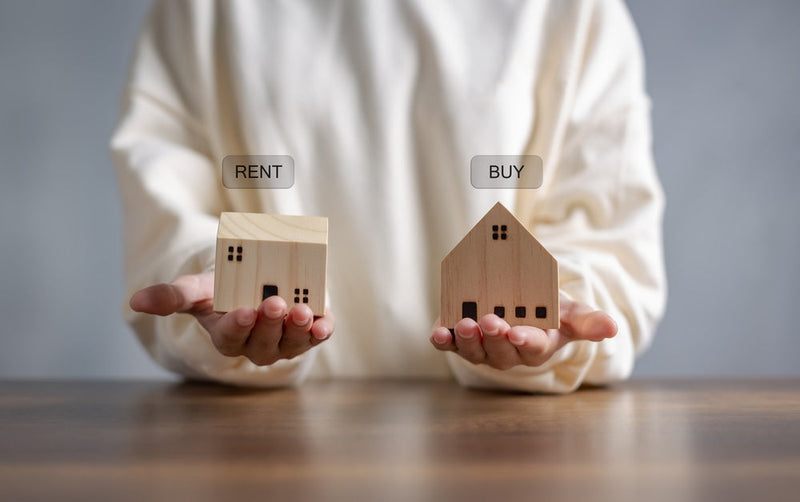
Is it more worth it to rent or buy?
- Renting: Offers flexibility, lower upfront costs, and fewer financial risks. Maintenance is usually handled by the landlord. It is ideal for short to medium-term stays.
- Buying: Suitable for long-term residents. Can build property value over time but requires a larger investment, registration fees, and maintenance responsibility.
For expats staying only a few years, renting is usually more practical. Buying makes sense for 5–10 years or more.
What is the 2% rule?
The 2% rule is used to assess property investment returns. It suggests that annual rental income should be around 2% of the property’s purchase price. For example, if a property costs AED 1,000,000, the yearly rent should be around AED 20,000. It helps buyers evaluate whether renting out a property is profitable.