
Dubai has emerged as one of the world’s leading hubs for innovation, technology, and entrepreneurship. Its strategic location, business-friendly regulations, modern infrastructure, and growing investor interest make it an attractive destination for tech startups. Choosing the right commercial space is one of the most critical decisions for new ventures, as it influences team productivity, company culture, client perception, and operational efficiency.
This article explores the best commercial spaces in Dubai for tech startups, considering factors such as cost, location, accessibility, community support, and scalability. By understanding the city’s commercial landscape, startup founders can make informed choices that support growth, collaboration, and long-term success.
Why Location Matters for Tech Startups
The location of a tech startup is more than just an address. It influences operations, brand perception, recruitment, and scalability. Selecting the right business environment supports innovation, collaboration, and consistent performance, which are all crucial for early-stage companies.
Talent Attraction
Tech startups rely heavily on specialized skill sets, ranging from software development to data science and product management. Being situated close to residential communities or near public transport routes makes daily commuting easier and broadens the pool of potential employees. Locations with lifestyle amenities such as restaurants, gyms, parks, and public services also enhance employee satisfaction and retention.
Client and Investor Access
Visibility matters in competitive markets. Establishing a presence near recognized business districts or technology corridors strengthens a startup’s credibility. Clients and investors are more likely to engage with companies located in accessible, professional environments. Proximity to conference venues, innovation centers, and government offices further supports business interactions and public relations.
Networking and Knowledge Exchange
Tech ecosystems grow through collaboration and knowledge transfer. Locations that host incubators, co-working spaces, tech communities, and accelerator programs provide opportunities for mentorship, partnerships, and business development. Regular interaction with other founders, industry experts, and service providers can accelerate growth and problem-solving.
Operational Efficiency
Daily operations rely on reliable infrastructure and service access. Being close to logistics suppliers, support agencies, service centers, and transportation networks reduces downtime and increases efficiency. A strategic location also simplifies client meetings, team coordination, and market outreach.
Strategic Positioning for Growth
The best locations balance affordability with access to business networks and skilled labor. Startups benefit from environments that allow them to begin with modest spaces and scale up gradually without needing to relocate. This stability supports brand consistency, employee continuity, and operational sustainability.
Factors to Consider When Choosing Commercial Spaces
Selecting the right commercial space is a strategic decision that affects a tech startup’s performance, culture, and long-term sustainability. The workspace should support efficiency, collaboration, and future growth, while remaining financially practical. The following factors help guide this decision:
1. Cost Efficiency
Startups usually manage restricted budgets, so rental expenses should be carefully evaluated. Beyond the basic rental fee, founders should confirm what is included in the contract. Costs such as utility bills, high-speed internet, maintenance services, business licensing fees, service charges, and parking can significantly influence overall monthly expenses.
Understanding these elements helps create accurate financial forecasts and prevents unexpected costs that may strain cash flow. Cost efficiency does not mean selecting the cheapest space, but choosing one that delivers value in line with operational needs.
2. Scalability
Growing teams and expanding operations often require additional workspace. Selecting a commercial space that allows for smooth expansion prevents disruption and avoids the inconvenience and expense of relocation. Flexible leasing options, the ability to increase office size, and modular interior layouts help support gradual growth.
Startups should consider whether the building or business district can accommodate future needs so that the company can scale without compromising workflow or company culture.
3. Infrastructure and Facilities
Tech companies rely on stable and well-equipped environments. High-speed internet, network reliability, and adequate server and power capacity are fundamental. Access to meeting rooms, conference halls, collaborative work zones, and private breakout areas also supports daily functions. Security systems, controlled access, CCTV monitoring, and on-site management contribute to workplace safety and professionalism.
Amenities such as cafeterias, convenience stores, fitness centers, and nearby dining options help improve employee well-being and job satisfaction, promoting retention and productivity.
4. Community and Networking Potential
Tech startups benefit greatly from being located within established business ecosystems. Commercial districts that host incubators, accelerators, coworking spaces, and technology clusters provide opportunities for mentorship, partnerships, and investment exposure.
Participation in community events, workshops, and meet-ups can help startups stay informed about industry developments and potential collaborations. Being surrounded by like-minded companies fosters innovation and knowledge exchange, which is particularly important during the early stages of growth.
5. Accessibility
Ease of access is essential for both employees and clients. Locations near metro stations, public transport lines, taxi services, or main road networks reduce commuting time and improve convenience. Parking availability also influences employee satisfaction and visitor experience.
Proximity to airports benefits businesses that frequently host international clients or maintain global partnerships. A well-connected location reflects professionalism, enhances brand perception, and contributes to the overall efficiency of business operations.
6. Regulatory and Licensing Requirements
Some commercial districts follow free zone regulations, while others fall under mainland business laws. Startups must ensure the selected location aligns with their licensing category, ownership preferences, and activity type.
Free zones often allow full foreign ownership and streamlined registration, while mainland locations may offer broader market access. Understanding these regulatory frameworks helps avoid compliance issues and supports long-term operational stability.
7. Cultural and Work Environment Fit
The workplace environment plays an important role in shaping company identity and team morale. A modern, well-designed space encourages creativity and cooperative problem-solving. Neighborhood surroundings, noise levels, interior design flexibility, and natural light also affect motivation and productivity.
A space that reflects the company’s culture supports stronger branding and employee engagement.
Best Commercial Spaces for Tech Startups in Dubai
Finding the right commercial spaces leasing options in Dubai is essential for tech startups to establish productive, scalable, and well-connected work environments.
1. Dubai Internet City (DIC)
Dubai Internet City is one of the most established technology hubs in the region, hosting multinational IT companies, software firms, and tech startups.
Key Advantages:
- Central location with excellent connectivity.
- Access to mentorship programs, networking events, and investor opportunities.
- Modern office buildings with plug-and-play options for startups.
- Presence of global tech giants like Microsoft, IBM, and Oracle, creating a thriving tech ecosystem.
Ideal For: Startups seeking visibility, collaboration with major tech firms, and participation in the innovation ecosystem.
2. Dubai Silicon Oasis (DSO)
Dubai Silicon Oasis is a government-backed free zone focused on tech development, research, and innovation. It offers affordable and flexible commercial spaces for startups.
Key Advantages:
- Free zone benefits, including tax exemptions and 100% foreign ownership.
- Purpose-built tech parks with high-speed internet and IT infrastructure.
- Incubation and accelerator programs for early-stage companies.
- Mix of office buildings, laboratories, and co-working spaces.
Ideal For: Early-stage tech startups requiring a supportive ecosystem and affordable lease terms.
3. Dubai Media City
Originally designed for media and creative industries, Dubai Media City has evolved into a hub that attracts digital startups, marketing tech companies, and content platforms.
Key Advantages:
- Vibrant environment with marketing, media, and tech companies.
- Networking events, conferences, and collaborative initiatives.
- Fully serviced offices, flexible lease options, and modern infrastructure.
- Access to shared facilities such as studios, media labs, and production equipment.
Ideal For: Startups in digital marketing, software development, media technology, and creative tech solutions.
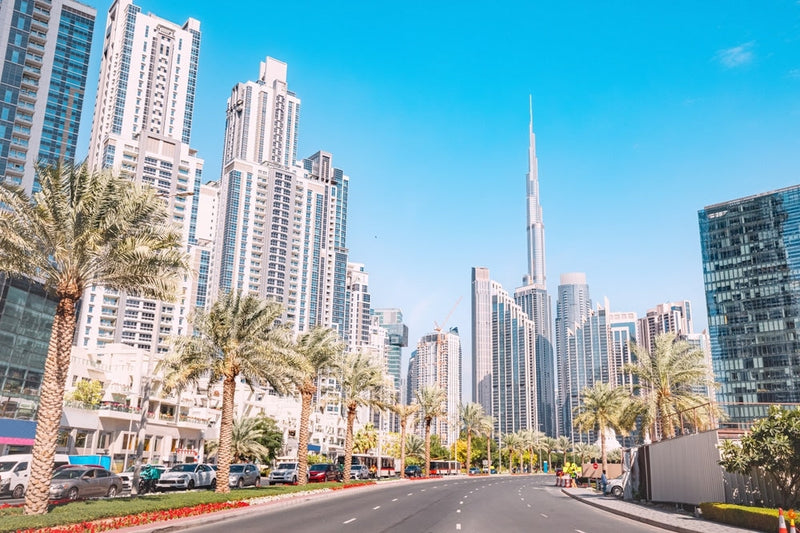
4. Business Bay
Business Bay is a mixed-use business district offering modern office towers and commercial complexes. It is centrally located, making it convenient for employees and clients.
Key Advantages:
- Access to high-quality office spaces and flexible leasing.
- Close proximity to Downtown Dubai, hotels, and transport hubs.
- Suitable for startups aiming to present a professional image to clients and investors.
- Variety of coworking and serviced office options for smaller teams.
Ideal For: Startups seeking prestige, accessibility, and networking with corporate clients.
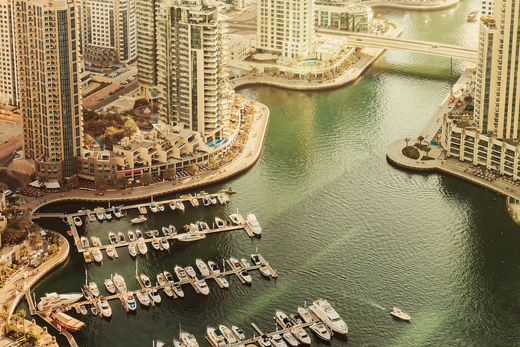
5. Dubai Marina
Dubai Marina is known for its high-rise towers, residential communities, and dynamic commercial zones. It has become attractive for tech startups seeking modern office environments and lifestyle integration.
Key Advantages:
- Waterfront offices with modern interiors.
- Access to coworking spaces and serviced offices.
- Vibrant community for young professionals.
- Close proximity to retail, restaurants, and public transport.
Ideal For: Startups targeting lifestyle-oriented employees and clients, or companies prioritizing modern urban workspaces.
6. Jumeirah Lake Towers (JLT)
JLT offers affordable office spaces with excellent connectivity. It is home to a mix of small to medium-sized tech companies and startups.
Key Advantages:
- Affordable rental rates compared to central business districts.
- Flexible office sizes with modular layouts.
- Variety of coworking and serviced office options.
- Community networking opportunities within the cluster.
Ideal For: Small to medium-sized startups seeking cost-effective options without sacrificing accessibility or amenities.
7. Free Zone Options for Tech Startups
Dubai has several free zones catering specifically to technology and innovation companies:
- Dubai Technology Entrepreneur Centre (Dtec): Provides incubator facilities, mentorship, and investor connections.
- Dubai Multi Commodities Centre (DMCC): Offers office solutions with full legal and regulatory support.
- Dubai South Free Zone: Focused on innovation, logistics, and smart city initiatives, providing affordable commercial solutions.
Free zones offer benefits such as:
- 100% foreign ownership.
- Tax exemptions and simplified registration processes.
- Access to shared infrastructure and business support services.
Ideal For: Startups seeking regulatory ease, investor support, and full business autonomy.
Coworking Spaces: Flexible Options for Startups
Many tech startups prefer coworking spaces as they provide short-term flexibility, shared resources, and networking opportunities. Popular coworking providers in Dubai include:
- Astrolabs: Focused on tech and digital startups, offering workshops and mentorship.
- WeWork: Modern, fully serviced offices with flexible contracts.
- Impact Hub Dubai: Community-driven space with programs for social innovation and technology startups.
- NEST Coworking: Offers flexible office layouts and access to professional networking events.
Coworking spaces allow startups to reduce overhead costs while benefiting from community support and scalability.
Tips for Tech Startups Moving to Dubai
Research Locations Thoroughly
Spend time reviewing different business districts, free zones, and co-working spaces. Visit these places in person if possible. Look at transportation options, nearby services, and community environments. The right location can support networking, hiring, and daily operations.
Use Business Consultants
Dubai has professional agencies that assist with company setup. They help with business licensing, visa arrangements, and finding suitable office space. Working with consultants can save time, reduce paperwork, and avoid mistakes during registration.
Focus on Company Culture
The office space should support teamwork, productivity, and creativity. Look for open layouts, meeting rooms, and areas where employees can communicate freely. A positive work environment helps attract skilled talent and encourages better team performance.
Leverage Free Zones
Dubai’s free zones offer benefits such as full business ownership, no corporate taxes, and simplified regulations. Many free zones are designed for technology and innovation. Choosing the right free zone can support growth and reduce operational costs.
Plan for the Future
When selecting a workspace, think about the next few years. The company may expand, hire more employees, or need extra facilities. Choose a space that allows room to grow, so the business does not need to relocate frequently.
Conclusion
Dubai provides a thriving environment for tech startups, offering a combination of modern infrastructure, business-friendly regulations, and access to talent and investment. Whether choosing free zones, business districts, or coworking spaces, startups can find commercial spaces that meet their operational, financial, and cultural needs. Working with a real estate agency in Dubai can further streamline the process by providing guidance on suitable locations, lease terms, and market trends.
By evaluating location, cost, scalability, infrastructure, and community support, founders can select spaces that foster growth, collaboration, and innovation. With careful planning, tech startups in Dubai can leverage the city’s dynamic ecosystem to achieve long-term success and establish a strong regional presence.
FAQs
Which startup business is best in Dubai?
The best startup sectors in Dubai are those aligned with the city’s digital transformation and service demand. Technology-based ventures such as software development, AI solutions, e-commerce platforms, fintech services, digital marketing agencies, and IT consulting firms are currently strong performers. Additionally, sustainability solutions, health tech, logistics tech, and online education services are rapidly growing due to government support and rising consumer adoption.
Which area is booming in Dubai?
Areas focused on business growth and urban development are experiencing the fastest expansion. Districts such as Business Bay, Dubai Creek Harbour, Dubai South, and Jumeirah Village Circle (JVC) are currently booming due to new residential projects, improved infrastructure, and increasing commercial investments. These areas appeal to professionals, businesses, and investors seeking modern spaces with strong connectivity and long-term growth potential.
Which area has more IT companies in Dubai?
Dubai Internet City (DIC) is the primary hub for IT companies in Dubai. It hosts global tech firms, regional headquarters, startups, and innovation centers. In addition, Dubai Silicon Oasis (DSO) and Dubai Media City are also popular zones for technology companies due to their free zone benefits, modern infrastructure, accelerator programs, and access to talent. These districts provide a supportive ecosystem designed specifically for digital and technology-focused businesses.