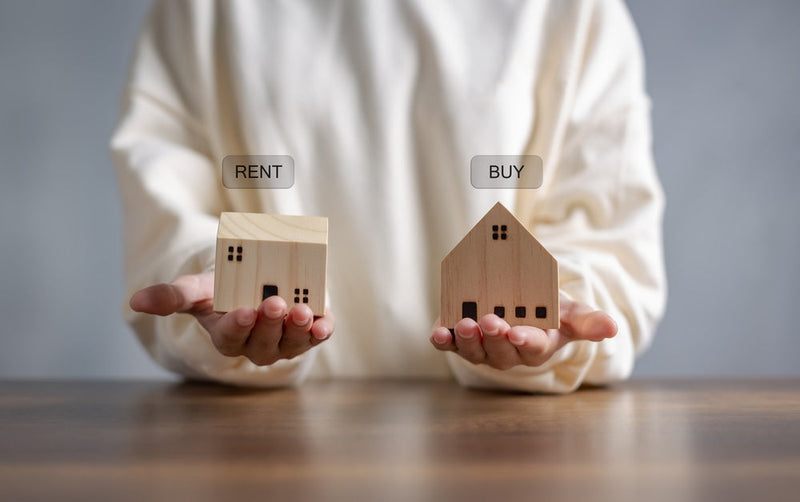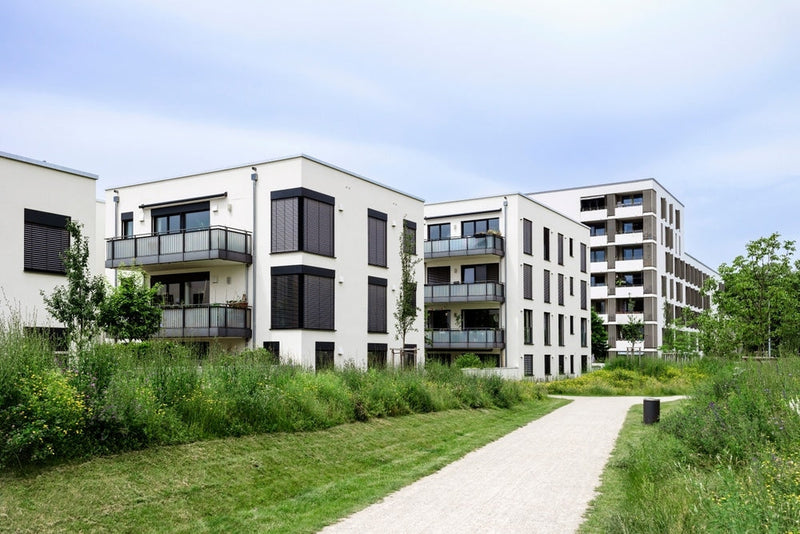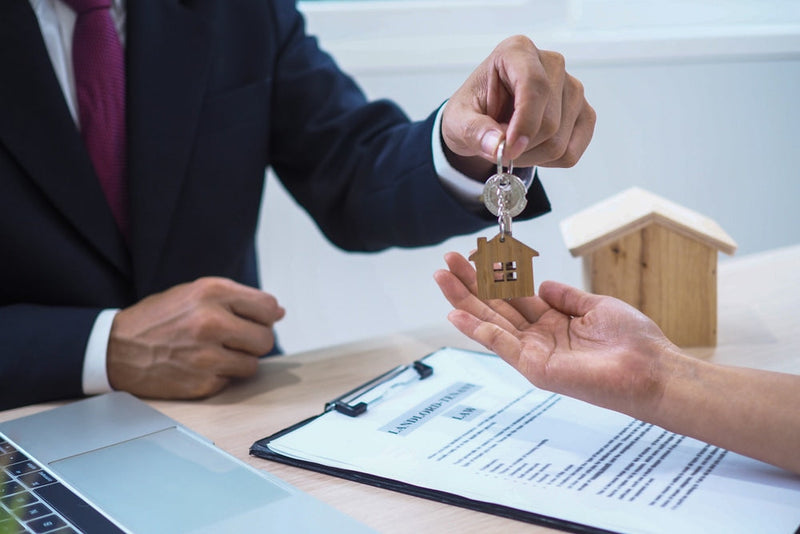

Dubai’s real estate market offers a wide selection of residential properties for both investors and home buyers. One of the most important choices to make during a property purchase is whether to buy a furnished or an unfurnished apartment. Both options are available in every major community and each comes with different financial, lifestyle, and practical factors.
This detailed guide explains what furnished and unfurnished apartments include in Dubai, the advantages and disadvantages of both options, investment considerations, and the factors that help you decide which is the better purchase for your needs.
What is a Furnished Apartment in Dubai?
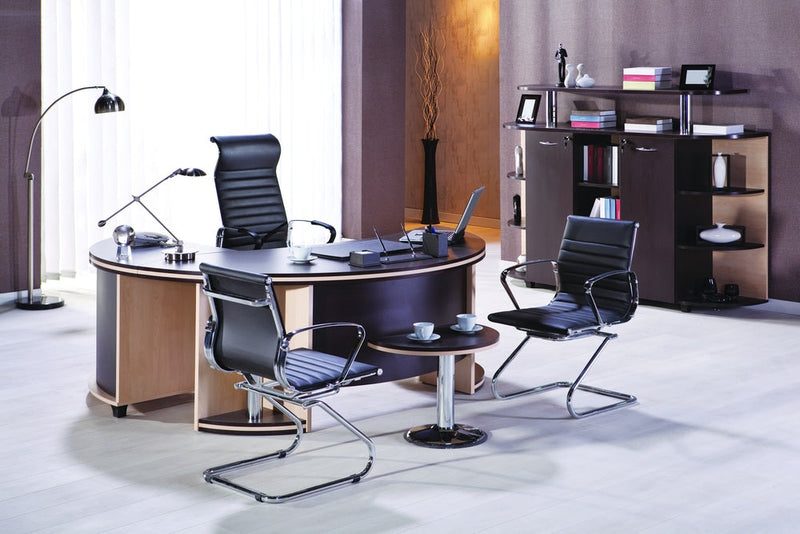
A furnished apartment is a unit already equipped for living. It normally includes:
- Bedroom furniture such as beds, mattresses, wardrobes
- Living room furniture such as sofa sets, tables, media units
- Curtains or blinds
- Kitchen appliances such as refrigerator, microwave, cooker
- Basic home decor and interior finishing
- Sometimes kitchenware and small home items
These apartments are designed for convenience and quick occupancy. They are common in communities with high numbers of expatriates and professionals who relocate to Dubai and require housing that allows them to move in immediately. Furnished apartments can be found in serviced buildings, holiday home developments, and areas close to business hubs.
What is an Unfurnished Apartment in Dubai?
An unfurnished apartment is delivered without loose furniture. It usually comes with:
- Fitted kitchen structure
- Built in wardrobes in some units
- Basic lighting
- Installed bathroom fixtures
Buyers or tenants add their own furniture, décor, and appliances based on their style and requirements. This type of unit offers more creative freedom to design the space and is a common choice for families and long term residents who prefer a home with personal setup.
Advantages of Furnished Apartments
Ready to Move In
A furnished apartment saves time and effort. A buyer can move in on the same day without arranging deliveries or buying new items. This is useful for people arriving from another country or those who need housing without delays.
Attractive to Short Term Tenants
These properties appeal to expatriates, business travelers, corporate staff, and people planning a temporary stay. The renter avoids the cost of furnishing, making furnished apartments highly competitive in rental areas near commercial districts and tourist spots.
Higher Rental Income Potential
Owners who plan to rent out the apartment can often charge higher rent because tenants are paying for convenience and furniture included. This gives furnished apartments stronger potential for rental yield.
Faster Leasing
Units that are furnished usually rent faster because the target group is wider. People searching for hassle free accommodation choose these properties more often when speed and convenience matter.
Good Option for Corporate Housing
Companies that bring staff to Dubai often look for ready homes for their employees. Furnished units help secure corporate lease agreements which are usually reliable and well paid.
Good for Holiday Homes and Short Stay Platforms
Tourist friendly areas benefit from furnished units. They can be listed on holiday home platforms and attract visitors during peak travel seasons which can further increase income.
No Initial Setup Budget Required
Buyers or tenants do not need to spend on furniture or wait for any setup. This prevents additional financial burden at the beginning of occupancy.
Appealing Interiors for Marketing
Professionally furnished apartments show better in photos and viewings. A ready interior attracts interest faster which helps owners gain more inquiries and better visibility in listings.
Disadvantages of Furnished Apartments
Higher Purchase Price or Rental Costs
Furnishings and appliances add value. That means buyers often pay more for furnished units than unfurnished ones with similar layouts and locations.
Furniture Wear and Tear
Over time furniture and appliances need maintenance or replacement. This increases long term ownership costs. Landlords may also face damage risk when multiple tenants use the items.
Limited Customization
The interior design is already decided. Buyers who enjoy personal décor or luxury finishes may not find furnished options flexible enough. Changing the furniture later can be costly.
Shorter Tenancy Cycles
Furnished apartments usually attract short term tenants. Owners may face more frequent tenant turnover which requires more property management.
Higher Insurance Costs
Furniture, electronics, and appliances add to the value of the property. Insurance fees rise to cover more items which increases the yearly cost of ownership.
Storage or Disposal Problems
If the new owner dislikes some furniture pieces they may need to pay for storage or removal. This becomes an extra unwanted expense.
Risk of Outdated Furniture
If the apartment remains rented for many years without updates the interior can look old. Outdated furnishings reduce rental value and tenant interest.
Possibility of Higher Security Deposit Disputes
Damage to furniture or appliances can lead to disagreements when tenants move out. This makes the exit process more complicated.
Advantages of Unfurnished Apartments
Lower Purchase Cost
Since these units do not include extra furniture or appliances they usually have lower prices than furnished units in the same building. This reduces initial investment and can make the purchase more affordable.
Full Control Over Design
Owners can plan their own interior style. From furniture selection to lighting arrangement every detail is customized. This adds personal comfort and can increase resale appeal if done well.
Suitable for Long Term Occupancy
Families and long stay residents usually prefer unfurnished apartments because they want to live in a personally designed home. This creates stable and longer rental agreements for landlords.
Reduced Maintenance Responsibility
Landlords do not need to maintain furniture or appliances. This simplifies property management and lowers the risk of repair or replacement costs.
Better for Personal Belongings
Residents who already own furniture can move into an unfurnished unit without paying for new household items. This benefits long term residents who bring their belongings when relocating.
Higher Flexibility in Updates
Owners can upgrade interiors whenever they want without worrying about matching old furniture. This allows easy renovation and helps keep the home modern.
Wider Appeal on Resale
Future buyers often prefer a blank and clean space so they can decorate in their own taste. This makes unfurnished properties attractive on the resale market.
Longer Tenant Commitment
Because tenants spend on furnishing their home they are likely to stay for many years. This reduces vacancy periods for landlords and ensures consistent rental income.
Disadvantages of Unfurnished Apartments
Additional Setup Expense
Buyers must purchase all furniture, appliances and décor. The cost can be significant depending on the preferred quality and design.
Time Required for Furnishing
Buyers need time for planning, ordering, and installing furniture. This delays move in. For new residents in Dubai this process can be inconvenient.
Possibility of Higher Initial Work
Choosing furniture, supervising delivery, and organizing the layout requires effort. Those unfamiliar with Dubai’s furniture market may find the process challenging.
Initial Utility Setup and Household Services
Residents must arrange internet, TV, appliances installation, curtains, and other essentials before living comfortably. This requires coordination and extra time.
More Upfront Decision Making
People must make many choices before moving in. This includes selecting brands, colors, style, and sizes for every room. Mistakes can lead to extra spending.
Delayed Rental Launch for Investors
Owners who plan to rent out the unit must wait until the apartment is fully furnished. Any delay can reduce rental earnings in the first months.
Difficulty for Temporary Residents
Short stay tenants do not want the cost or responsibility of furnishing. This makes unfurnished apartments less attractive for short term rentals in central areas.
What Matters More: Your Goals and Plans
Choosing between furnished and unfurnished apartments depends mainly on your own purpose and lifestyle in Dubai. Every buyer has different needs. These key factors will help you decide which option is the smart purchase when exploring properties for sale in the city.
1. Duration of Stay or Intended Use
Your length of stay plays a major role in the decision.
If you plan to live in Dubai for a short period, a furnished apartment is practical. It removes the expense of buying furniture and allows you to settle in quickly without waiting for home setup. This is suitable for relocations, temporary work contracts, and early years of a move when long term plans are not final.
If you expect to stay long term, an unfurnished apartment is usually better. You can make the interior match your taste, and once furniture is purchased, you enjoy lower living costs. Over several years, the total expense can be much lower than paying a premium for a furnished home.
2. Cost Considerations and Budget
Financial planning is important when buying property in Dubai.
Furnished apartments often come at a higher purchase price because the value of furniture and appliances is included. However, you save on early setup costs and you may gain stronger rental income if you plan to lease the unit.
Unfurnished apartments require an upfront budget for furniture and appliances, but ongoing costs are usually lower. Owners control how much they spend and can purchase items gradually. Over time, the financial benefits can exceed the initial savings of a furnished property.
You should always compare long term ownership expenses, not only the starting price.
3. Flexibility and Personalisation
Lifestyle preferences influence which option feels more like home.
Furnished apartments offer flexibility. People who move often or travel for work appreciate the ready living arrangement. There is no need to manage deliveries or interior decisions.
Unfurnished apartments provide full creative control. You select every piece of furniture, color scheme, and layout. This adds comfort, pride of ownership, and stronger emotional attachment to the home. For many buyers, personalization is a major advantage when choosing a permanent residence.
4. Tenant Type and Income Strategy for Investors
Investment buyers must match the apartment to the right rental audience.
Furnished units attract short stay tenants such as young professionals, newly arrived expats, and corporate staff. This creates higher rental income potential and quicker leasing. Investors earn more per year but must accept more tenant turnover.
Unfurnished units attract families and long term residents. These tenants prefer stability and usually stay for many years. This creates consistent rental income, reduced vacancy risk, and less frequent management work. Lower returns are balanced by long term security.
Your target tenant profile should guide your selection before purchasing.
5. Maintenance, Upkeep, and Long Term Risks
The number of household items affects how much work and cost is required during ownership.
Furnished apartments include furniture and appliances that must remain in good condition. Every item requires care and may need repair or replacement. More items mean more responsibility and higher risk of damage, especially with multiple tenants over the years.
Unfurnished apartments are easier to maintain. There are fewer things inside the property that may break. This lowers repair expenses and removes disagreements over damage at move out.
Buyers who want low involvement in property management often prefer unfurnished.
6. Resale and Future Market Appeal
Property value is also influenced by how easy it will be to sell later.
Unfurnished apartments often have a wider resale audience. Future buyers may want to bring their own furniture and design style. A clean and empty space gives them a fresh start.
Furnished apartments can sell well if the interior remains modern and well maintained. However, outdated furnishings can reduce buyer interest and lead to extra cost for upgrades before selling.
If you plan a future resale, consider whether the furniture will remain appealing.
7. Lifestyle and Personal Comfort
Your daily comfort is an important part of the choice.
Some buyers enjoy the feeling of building their home from the beginning. Others prefer to arrive and immediately enjoy a finished space. Both choices can bring comfort, but in different ways.
Think about your habits. Do you enjoy decorating and choosing furniture? Or do you prefer a quick and simple setup?
What Makes “Better” Depends on You
There is no one-size-fits-all answer for whether furnished or unfurnished apartments are better in Dubai. The “better” choice depends on your personal or investment goals:
- If you want convenience, minimal upfront work, and flexibility: furnished is usually the better pick.
- If you want lower ongoing costs, the freedom to personalize your space, and you plan to stay long-term: unfurnished makes more sense.
- If you are an investor targeting short-term tenants or frequent turnover: furnished gives potential for higher rental yield and faster occupancy.
- If you aim for stable long-term tenants, minimal maintenance, and low landlord involvement: unfurnished offers predictability and lower management burden.
Advice: What to Do Before You Decide
Before you choose, do this:
- Estimate total cost. For furnished: consider how much extra you pay for furniture, maintenance, and the rental premium. For unfurnished: consider how much furniture setup will cost, and how long it will take you to regain that cost through lower rent or stable tenancy.
- Think about how long you expect to stay or rent out. Short stays favor furnished, long stays favor unfurnished.
- Check your target tenant or buyer profile (if investing). Are they likely to be short term expats or long term residents? Their needs matter.
- Consider flexibility and maintenance burden. Furnished units need more management. Unfurnished ones are simpler but need an initial effort to furnish.
- Look at resale potential. If you plan to sell later, unfurnished might appeal to a larger pool of buyers who want customization.
Conclusion
Whether you buy a furnished or unfurnished apartment in Dubai depends on your lifestyle, financial goals, and long term plans.
Furnished apartments offer convenience, flexibility, and often higher short term returns. They are ideal for short term stays, corporate tenants, or investors seeking quick rental yield and minimal hassle.
Unfurnished apartments offer freedom, lower long term costs, stability, and personalization. They are ideal for long term residents, families, or investors seeking stable income with less maintenance.
If you match your choice to your actual needs, either option can be better. The key is to weigh costs, convenience, and your desired lifestyle before you commit.
For expert guidance in choosing the right property, you can connect with GAMMA Real Estate Agency. Their experienced team can help you compare options, explore locations, and find the best returns in Dubai’s property market.