
Blog

View

6 Steps to excel as a Real Estate Agent in Dubai in 2024

by Rahmeh Tar

6 Steps to excel as a Real Estate Agent in Dubai in 2024

6 Steps to excel as a Real Estate Agent in Dubai in 2024 Dubai's booming property market offers exciting prospects for real estate agents. However, it requires dedication to rise above competitors. Developing client relationships through honesty and expertise lays the groundwork. Earning a license by passing qualification exams demonstrates proficiency in local laws and processes. Staying up-to-date via constant training keeps skills honed. Marketing listings creatively across platforms expand visibility. Maintaining organized records and effective communication builds trust. Offering comprehensive service through property searches and negotiations keeps clients satisfied. Pairing a strong work ethic with patience amid fluctuations yields long-term success in this vibrant industry. Mastering Real Estate in Dubai: 6 Tips for Success Here are some steps you need to know: Step 1: Obtain a Residency Visa (For Expats) The first step for non-Emiratis desiring to enter Dubai's competitive property sector requires securing a long-term residency visa. Common options include obtaining sponsorship from an employer or a business partner visa for self-employed individuals. An investor visa allows residency through property investment. New firms can apply for a service agent license to sponsor visas for key personnel if Emiratis hold a stake. Complying fully with immigration procedures prevents roadblocks down the line. With fast processing now available, visas help future agents integrate into the local landscape to network effectively and grasp cultural nuances crucial for client care. Step 2: Obtain the Broker License Gaining a broker's license represents a pivotal step towards practicing legally. The Dubai Land Department issues these permits upon fulfilling its stringent criteria. Applicants must have a real estate degree, one year of experience, or pass accredited exams testing knowledge of local codes and market practices. Additionally, brokerage firms sponsor licenses while agents work as employees. The application process involves submitting documents verifying identity, credentials, and financial stability. Strict due diligence guards standards within this lucrative sector. Once licensed, new brokers can tap the network of industry veterans for valuable mentoring to sharpen skills from the start. STEP 3: Find Employment with a Brokerage Securing a position with an established brokerage amplifies budding agents' competency while gaining a client base. Larger firms offer top-tier training, mentorship, and resources to hone crucial soft talents like negotiation and customer engagement. Real estate development companies in Dubai construct new residential, commercial and mixed-use projects that shape the skylines and urban landscapes of the emirate. Starting from the bottom as an assistant or renting a desk permits invaluable early exposure to deals. Learning industry-leading tools and practices occurs through shadowing senior associates. Brand recognition comes with affiliating top locally-known or international brokers. Salaries often include commissions, incentivizing high performance that leads to independence. Hard work paves the way for managing one's portfolios and teams someday. STEP 4: Start Building Your Clientele and Portfolio The thrust towards independence happens hand-in-hand with the cultivation of loyal buyers and sellers. Strategic networking at industry conferences and community gatherings sparks meaningful connections. Tailored social media profiles help potential clients tap into market advice and listings. A positive online and offline brand grows by nurturing a reputation of trustworthiness, responsiveness, and expertise through consistent client interactions. Obtaining referrals from satisfied patrons accelerates progress. Simultaneously, handling property searches and transactions as primary agents empowers future portfolio management abilities. Attaining a designated desk symbolizes egress towards driving one’s successful agency practice over the long haul in Dubai. STEP 5: Set Prices Appropriately to Maximize Value Maximizing property value requires shrewd pricing. Agents must research market comparables and trends to advise optimal listing amounts. Neither too high nor too low prices prospectively thrill buyers or get negotiations stuck. Dynamic factors like location, size, amenities, and condition dictate pricing power. Leveraging technology portals and networks furnishes timely sold data and inventory insights for price benchmarks. Err cautiously high to permit wiggle room in talks. Evaluate makes and models whose similar attributes have sold faster or at a premium recently. Adjust rates pegged to demand surges or dips. Guide willing clients to understand the rationale behind pricing without being greedy. Generate the highest sale amount with a balanced, analytical approach. Working with reputable real estate agency in Dubai is often the best way for professionals to establish themselves and build a client base in the lucrative property market of Dubai. STEP 6: Remember That Knowledge Is a Powerful Asset in the Real Estate Business Remaining a constant student boosts credentials and career lifespan in Dubai's vibrant market. Consuming materials covering economic fluctuations, construction guidelines, and land policies keeps expertise current. Attaining specialized designations via realtor associations or university programs signals a commitment to ongoing learning. Seminars track product diversity and stipulations impacting feasibility. Following industry figureheads on social channels captures evolving strategic insights. Requesting client feedback highlights areas needing refinement, such as digital marketing savvy. Expediting transactions sometimes necessitates understanding finance and legal nuances, too. Ultimately, continually expanding comprehension of internal and external variables affecting the landscape fortifies long-term capabilities to serve all customer needs proficiently. Frequently Asked Questions What qualifications or licenses are required? Agents must obtain a Dubai Real Estate Regulatory Agency (RERA) license by passing exams testing knowledge of rules, laws, and procedures. A bachelor's degree and relevant experience or accredited real estate courses are mandatory. What skills are most important? Core abilities include strong communication, negotiation, problem-solving, and client advisory skills. Agents must have in-depth local market expertise and keep up with economic shifts. Proficiency in English and Arabic enhances services. How do agents get new clients? Developing an online presence through professional social media profiles and websites builds brand recognition. Networking within the community and at industry events expands connections. Referrals from happy clients become the most valuable marketing. What is the income potential? Income depends on commission structure, but top-performing agents can earn over $100,000 annually with experience. Consistent client satisfaction, sales volume, and team-leading roles boost earnings potential over time in this lucrative field. Conclusion Breaking into Dubai's luxury property market demands ambition, focus, and effort. While initial steps require qualifying exams and administrative tasks, the work involves cultivating client relationships through outstanding service and market knowledge over many years. Constant skill-building equips realtors to navigate industry shifts adeptly. Those opting for a career in this glamorous sector must exude passion and dedication to keeping abreast of trends. Only by prioritizing honesty, dependability, and expert advice will an agent thrive long-term. For individuals driven to reach the top through integrity and creativity, real estate offers a dynamic career path in one of the world's most coveted destinations.

Read more

6 Tips About Finding And Buying A Property in Dubai

by Rahmeh Tar

6 Tips About Finding And Buying A Property in Dubai

Buying property in Dubai opens doors to investment gains and lifestyle perks. However, navigating options requires know-how. This guide provides insider tips for finding and securing the ideal home or investment property like a seasoned expert. It begins by outlining key community types and price points. It then covers vetting developments and units. The steps and paperwork involved in financing and closing are clearly explained. Negotiation tactics and post-purchase responsibilities are also featured. Following the strategic advice provided, prospects can confidently make purchase decisions. Let's get started on your Dubai property search! Finding And Buying A Property in Dubai Like A Pro: 6 Easy Tricks Here are some tips you need to know: Find the Right Fit for You The first step is determining your needs and budget. Are you seeking a family home, holiday apartment, or investment property? Carefully consider location priorities like proximity to work, schools, or amenities. Narrow your search based on property type, number of bedrooms, price point, and other essentials. Checking community profiles on developer websites gives you a sense of what each offers. Get a feel for areas by booking tours of displayed units with real estate development companies. This upfront legwork lays the foundation for zeroing in on developments and units with the right layout and lifestyle fit for your requirements. Knowing your exact wants removes uncertainty down the line. Find a Proficient Real Estate Agent Partnering with a savvy real estate agency in Dubai is pivotal for navigating the market smoothly. An expert guide within the industry understands the inventory, procedures, and deal-making nuances like the back of their hand. Ask colleagues for agent recommendations, as referrals often result in the best matches. Interview candidates to ensure their experience level and current listings suit your objectives. A responsive, solutions-oriented representative makes the process seamless by arranging viewings, liaising with developers, and assisting with paperwork. Their market knowledge about upcoming community rollouts and insider negotiation tips prove invaluable. A reliable agent saves both time and effort. Do Your Research on the Developer Take time to thoroughly research any real estate development company behind a promising project. Check online for customer reviews and discussions that shed light on past builds. Reputable firms publish detailed project timelines, floor plans, amenities lists, and payment plans upfront. Take notice of contractors with a proven track record of finishing on schedule with few contractor hiccups or quality issues. Meet with company representatives and ask about after-sales service procedures for possible issues. This due diligence protects your investment by ensuring you purchase within a community headed by an experienced operator known for excellence. Only work with transparent developers. Assess the Property’s Value Appreciation Take careful stock of real estate trends in the location to gauge a property’s growth potential. Research appreciation rates over the past 5-10 years within the specific community and surrounding areas. Consider demand drivers like infrastructure upgrades or an influx of businesses to the Metro vicinity that can boost future pricing. Check if the developer has a proven track record of units within the portfolio increasing X percentage in value Y years post-handover. An assessment report from a certified property evaluator also provides an expert outlook on resale feasibility. Foreseeing how market forces may positively impact the investment secures you a profitable asset with staying power. Get the Most Bang for Your Buck Maximizing value involves thoughtful negotiations. Your realtor championing on your behalf can leverage buyer interest and timelines to your advantage during discussions. Ask the developer to include extra flooring, lighting fixtures, or other bonuses to sweeten the offer. Request complimentary membership access to the community clubhouse or beach for a period. Consider taking on some finishes yourself if the developer will knock a few percent off in return. Always have estimates to substantiate your request. The goal is to get the most exclusive amenities or deepest discounts possible for your investment dollars. With finesse, savvy buyers consistently maximize returns. Do Math Run the numbers to ensure affordability. Know approximate monthly mortgage payments, maintenance fees, utilities, and other recurring costs to confirm they fit your budget. This factor will also influence future expenditures for renovations or refurbishments. Check the quantum of down payment, interest rates, and payment schedules with various lenders—only purchase within your means to avoid post-purchase financial stress. Maintaining healthy cash flows preserves property ownership stability. Frequently Asked Questions What documents do I need to buy property in Dubai? Expats looking to buy in Dubai must show a valid passport, two salary certificates, a cancellation certificate, and a copy of their labor card. Banks may also require additional paperwork, such as a visa and Emirates ID. How can I find the best listings? Property portals like Bayut and Dubizzle are the most reliable options. They allow searching by location, price, number of bedrooms, and more. Signing up with a reputable real estate agency can also yield insider access to promising new launches and off-market deals. What areas are most desirable? Prime locations include Downtown Dubai, Dubai Marina, Jumeirah Lakes Towers, and Emirates Hills, with luxury apartments and villas near attractions with lively entertainment scenes. Good school zones like The Palm or Discovery Gardens also prove popular. What costs are involved other than the property price? Anticipate 5% purchase fees, including registration charges, 4% transfer, and title deed fees paid to the Land Department. Also, factor in a 5% refundable security deposit plus commission capped at 4% paid to your real estate agent. Conclusion Now equipped with critical intel on Dubai's diverse property landscapes and insider purchase tactics, you have the tools to source and lock in your perfect home or investment. Always conduct ample due diligence before any financial commitments.  Remember, location, amenities, and maintenance plans direct long-term value appreciation potential. While the process requires thoroughness, the rewards make it worthwhile. From this point onwards, enjoy settling into your new property and community.  Promote professional connections established along your buyer's journey for future real estate needs. Congrats on taking this vital step - may your Dubai property bring many happy years.

Read more

All You Need to Know About Real Estate Laws in Dubai, UAE

by Rahmeh Tar

All You Need to Know About Real Estate Laws in Dubai, UAE

As interest grows in Dubai's vibrant property market, investors must understand the legal framework underpinning real estate transactions and ownership. Clear rules protect buyers from risks while supporting a flourishing sector. This guide overviews key legislations governing Dubai property, from buying and selling regulations to laws addressing rental contracts and disputes. It examines ownership options available to foreigners and matters of taxation. Whether purchasing investment properties or a family home, familiarity with the emirate's property statutes empowers one to navigate processes confidently and secure lawful rights. Let's explore the pertinent laws shaping Dubai's welcoming real estate landscape. Dubai Real Estate Law: A Legal Guide for Investors Here are some laws you need to know: Freehold Ownership Regulations: Freehold allows perpetual ownership and is Dubai's most resilient form of title. Only Dubai's leading real estate development companies are authorized to sell properties on a freehold basis, with strict eligibility criteria. Under regulations, freehold ownership must be directly purchased from the original developers and can only be privately transferred after five years of buying. This shields investors and homeowners from illegal transactions while stabilizing land values. Freeholds can be passed to heirs according to the owner's will. This route permits foreign ownership of up to 100% for select projects. Compliance with rules secures strong property rights. Registration and Title Deed Process: Securing ownership through proper registration is critical in Dubai's legal system. Post-sale, the title must be transferred to the real estate agency in Dubai overseeing the project within 30 days. Agents will then lodge documents with the Land Department to issue the Title Deed under the new owner's name. This represents the highest proof of lawful possession of any property. The owner must also retain a copy. Strict deadlines ensure transparency. If resale occurs, the same process applies to assigning a title to the subsequent buyer. Only with a Title Deed can owners extract utility connections, process mortgages, and guarantees, and resell easily in the future. Legal Due Diligence: Thorough due diligence is expected of prudent property buyers in Dubai. Key aspects of research include: Verifying the developer/seller through official registration records. Evaluating zoning and permitted usage. Checking for any title encumbrances or legal disputes. Real estate attorneys can examine documents like ownership certificates, building permits, subdivision plans, and previous transactions on a given property. This confirms lawful construction according to approved plans and specifications. Disclosures around outstanding utility bills or levies must also be crystal clear. With a trained legal eye, defects, illegality, or project non-completion risks are significantly reduced before settlement. Prudent due diligence underpins successful real estate activities. Financial Considerations: From profitability projections and investment analysis to funding strategies, financial planning is paramount for property investors in Dubai. Key factors include researching rental yields, annual valuation appreciations, operating costs, and taxation implications based on freehold/leasehold. Foreigners have options for cash purchases, bank mortgages, and payment plans offered by reputed developers. Mortgages from top local banks provide competitive rates on long tenures. Funds can be raised through Real Estate Investment Trusts (REIT), property crowdfunding platforms, and joint venture partnerships. Advanced modeling of rental incomes, tax obligations on returns, and resale revenues helps maximize the wealth potential of Dubai assets. Solid financial diligence underpins success. Rental Regulations: Rental properties form a pivotal part of Dubai's vibrant real estate sector. The RERA authority oversees strict leasing rules per the Dubai Tenancy Law. Key provisions include standardized lease contract templates, security deposit protection, maintenance guidelines, and dispute resolution processes. Owners must specify agreed-upon services and rent payment timings, while eviction requires a documented breach of contract or rent in arrears. Tenants enjoy tenure security through renewable one-year lease periods. Rents can only be increased by 5% annually, as per RERA indexes. Fair regulations uphold affordability and landlord/tenant confidence in the emirate's rental ecosystem. Smooth operations enhance Dubai's global appeal. Frequently Asked Questions What ownership structures are permitted for foreigners? Foreign investors have multiple options for real estate ownership in Dubai. The main structures are freehold, which grants indefinite ownership rights, and leasehold for properties on long-term renewable land leases spanning 50 or 99 years. Both allow resale and transferability as per legal terms. What kind of property transfers require registration? To secure the legal change of ownership, all property sales, transfers, and related transactions must be registered with the Dubai Land Department. This includes purchases, mortgages, donations, and wills. Registration helps establish title and protects against disputes by officially recording new ownership in public records. What laws cover rental contracts and deposits? Rental agreements are governed by the Dubai Tenancy Law, which standardizes rules for leasing commercial and residential properties. It specifies the rights of landlords and tenants, payment timelines, notice periods for vacating, and dispute resolution. Tenants are protected through provisions regarding agreed-upon facilities, maintenance obligations, and regulated deposit amounts refundable at the lease end. How are property disputes and conflicts resolved? Dubai has a three-tiered system for real estate conflict resolution. Initial complaints can be filed with the Land and Property Court, followed by appeals at the Court of Appeal. The UAE's Cassation Court is the final appellate authority that provides a final judgment. Litigation timeframes and accepted case types are clearly defined to deliver efficient remedies per the applicable statutes and precedents. Conclusion Dubai has established a progressive yet pragmatic set of property laws that uphold consistency and clarity for developers, agents, and customers. By comprehending ownership rules, zoning limitations, transaction procedures, and dispute resolution protocols applicable in the emirate, investors can confidently make well-informed decisions. Dubai's authorities deserve praise for their commitment to continually refining statutes that protect property rights while stimulating market vitality. Following this overview of pivotal legislation governing real estate, prospective buyers and tenants are now equipped to leverage Dubai's property opportunities lawfully and maximally. Let's continue advancing the emirate's reputation as a magnet for global capital through responsible and prosperous property dealings.

Read more

Investing in Dubai Real Estate: A 2024 Guide for International Buyers

by Rahmeh Tar

Investing in Dubai Real Estate: A 2024 Guide for International Buyers

Investing in Dubai's burgeoning real estate market presents possibilities and learning curves, regardless of experience level. To navigate the process smoothly as an international homebuyer, focus on the right ​tips for buying property. This guide provides vital information gathered from experienced brokers and agents to demystify property purchases in the emirate. Following the recommended tips for buying property can help you make well-informed decisions and secure the best deals. We aim to give you the insider knowledge needed to purchase in this lucrative yet complex market confidently. Real Estate Investment Tips For International Buyers in Dubai Here are some tips for buying property: Identify Your Investment Objectives For foreign purchasers, defining their investing goals is an essential first step. Are you looking to buy a second home, move permanently, or make real estate your business? Goals impact everything from location to financing. Taking time upfront to determine your priorities aids later decision-making when assessing properties. It also helps zero in on regions offering suitable property developments in Dubai​​ that match your vision. Well-defined objectives simplify sorting opportunities and filter out unsuitable listings. With clear intent, you can strategize which neighborhoods and unit types deliver precisely what you seek from property developments in Dubai. Picking the Right Location Choosing a neighborhood is a pivotal step when looking for property abroad. To make an informed choice: Thoroughly research various areas, considering infrastructure, amenities, investment potential, and lifestyle preferences. Ask local realtors for guidance regarding which locations align best with your needs based on crucial tips for buying property. Examine development plans to predict appreciation. Consider proximity to transportation and workforce hubs. Inspect finished units nearby to assess quality and view lifestyle first-hand. Shortlist a few options, and then revisit over time. With diligence upfront regarding community selection per reliable tips for buying property, you set the stage for long-term happiness. Assessing the Property's Value Properly valuing a property is essential for any overseas purchase. To determine the appropriate market price, seek help from a reputable ​real estate agency in Dubai. Experienced brokers stay up-to-date on comparable recent sales and can provide a customized report detailing square footage, floor level, view, condition, and more. A reputable agency's objective valuation protects from overpaying. Request records on listing and sale history. Check for maintenance needs or issues affecting long-term value. Ask the agency to connect you to building management to assess factors they consider for pricing. With diligent due diligence involving a trustworthy ​real estate agency in Dubai, your offer aligns with fair worth. Work with a Reputed Real Estate Agency When purchasing overseas, it is essential to rely on an experienced ​real estate agency in Dubai like GAMMA. A top-tier agency can ease every step by providing market intelligence, showcasing suitable listings according to your needs and budget, facilitating negotiations, reviewing paperwork, and more. GAMMA has built an unparalleled reputation for its client-centric services, local expertise, and bespoke luxury properties. Partnering with an industry powerhouse that upholds the highest professional standards ensures guidance and support per reliable tips for buying property. Their connections and resources simplify navigating rules for international buyers. Working closely with a leading agency makes all the difference in a foreign landscape. Secure Pre-approval for Financing Finalizing financing arrangements is crucial before actively house hunting overseas. Contact lenders familiar with Dubai's mortgage market to get pre-approval letters stating how much you qualify to borrow. This will identify your exact budget and streamline the search. Pre-approval provides reassurance to sellers and developers when making offers. It also relieves stress since terms are negotiated in advance rather than rushed later. Speak to professionals recommended by GAMMA regarding local lending nuances, from down payment norms to profit rates. Seek customized options like combining mortgage and commercial finance. With funding clarity upfront, you can focus entirely on finding the perfect property within your pre-qualified means. Keep Informed with Online Resources Relying solely on brokers can limit perspectives, so leverage online tools. Follow regional industry websites, publications, and developers' social profiles to stay updated on launches, price movements, and market trends. Research completed communities to understand infrastructure, amenities, and lifestyle before investing there. Online community forums let you tap into the experiences of international owners. Listing portals showcase properties directly from developers for initial screening based on specifications. Mobile apps deliver real-time reports and alerts regarding areas of interest. This supplementary digital diligence helps shortlist locations and developments warranting deeper agent-assisted exploration based on personalized needs. Understanding the Legal Landscape for Foreign Investors Being aware of the legal framework is paramount when investing across borders—research ownership rules for foreigners, from zones permitting full property rights to areas restricting purchases by nationality. Understand documentation requirements, such as title deeds versus ownership certificates, at each stage. Familiarize yourself with procedures for registration, utility connections, and municipal approvals. Also, learn financing policies applicable to non-residents along with tax implications of making the emirate a primary residence versus a secondary home. Approach attorneys well-versed with international real estate contracts to scrutinize paperwork. Following due process smooths the post-purchase experience. Complying with regulations shelters the investment long-term. Key Documents Required Ensuring you have the proper documentation in order is essential. The primary documents required include your passport, a valid visa status letter from an employer, if applicable, and proof of address such as a utility bill and recent bank statement. Additionally, depending on the property type, you may need individual documents—strata plans, title deed copies, completion certificates, or ownership papers. Carry notarized identity verification and address proof from your home country as well. Keep tax residency certification ready in case it is needed. Having all critical papers organized upfront facilitates prompt submissions to relevant authorities and real estate agents. Double-check that document requirements are fulfilled to breeze through the purchase formalities. Steps Required to Buy Property in Dubai as A Foreigner Here are some steps you need to know: Step 1: Select a Freehold Area Carefully choose a freehold locality permitted for foreign investors, like Dubai International Financial Centre, which allows full property ownership. Step 2: Choose between off-plan and Ready Projects Consider ongoing developments if seeking lower prices or completed properties if wanting immediate possession but at higher rates. Step 3: Consult a Real Estate Agent Engage a trustworthy local broker for market insights, property showings as per preferences, and paperwork processing, and offer guidance on legal procedures. Step 4: Arrange Finances Secure pre-approved mortgages from banks accepting non-resident applications or cash financing directly from savings to fund your chosen property investment. Step 5: Apply for NOC To officially register ownership under your name, you can issue a No Objection Certificate by completing online forms detailing purchased assets with Emirates ID. Step 6: Register your Property Register the title deed transfer with the Dubai Lands Department within the stipulated time for legal ownership and renting/selling rights on your residential or commercial property. Conclusion We hope this guide on navigating Dubai's real estate market is informative for international property seekers. Regardless of your experience level, focusing on fundamental steps like comprehensive research, working with trusted agents, understanding legal obligations, and thoroughly vetting potential purchases will set you up for success. As an outsider investing in this burgeoning market, you may make your trip more accessible by taking a cautious, educated approach. You can take advantage of chances and safeguard your investment over time with the correct knowledge.

Read more

Palm Jebel Ali vs Palm Jumeirah: A Quick Comparison

by Rahmeh Tar

Palm Jebel Ali vs Palm Jumeirah: A Quick Comparison

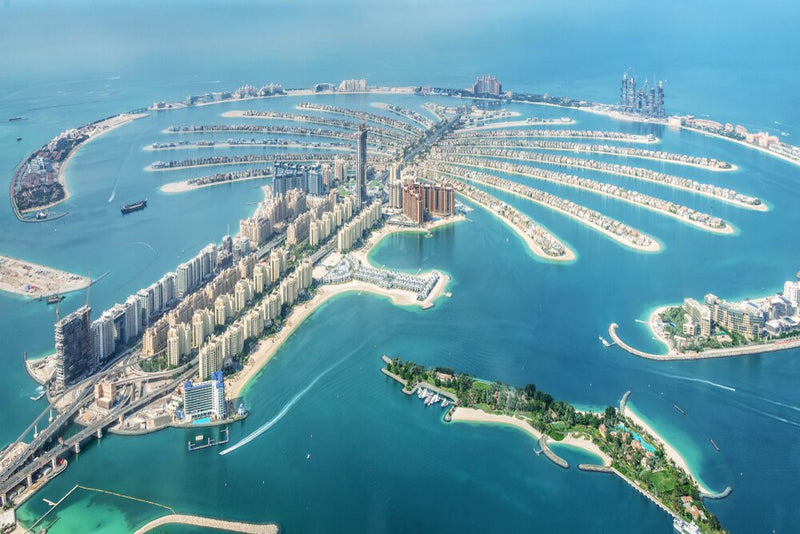
When considering a property on the Palm Islands in Dubai, the choice between Palm Jebel Ali and Palm Jumeirah depends on lifestyle priorities. Palm Jumeirah, the original Palm development, offers prime beachfront living amid a vibrant community with world-class resorts, restaurants, and amenities along its famous crescent architecture. However, the prices of homes reflect this premiere location. Palm Jebel Ali provides greater affordability and space, with developments still under construction promising family-sized villas. Its seafront setting is more secluded, though upcoming infrastructural works aim to better connect the community. Both locations deliver stunning ocean views and a prestigious address for those seeking the Palm Island lifestyle. Palm Jebel Ali vs. Palm Jumeirah: Which Is Right for You? Palm Jebel Ali and Palm Jumeirah in Dubai offer exquisite living, yet they suit different lifestyles. To assist you choose, consider these factors: Palm Jumeirah: Established Community As the original luxury artificial archipelago developed in Dubai, Palm Jumeirah has established itself as a premier oceanfront community over the last two decades. Homeowners and renters enjoy all the benefits of a vibrant, well-connected, and amenity-rich neighborhood. Residents can access world-class resorts, waterfront dining options, recreational facilities, retail centers, and events in a walkable, resort-style setting. An ecosystem of services, activities, and entertainment has grown organically alongside the palm-shaped islands, cultivating a true sense of community spirit and lifestyle. Luxury Living Owning property in Palm Jumeirah means residing in one of the most prestigious locations in Dubai. As the original exclusive development, it continues to showcase opulence unmatched by other coastal communities. Elegant high-rises and gracious villas line the crescent, many with full or partial sea views. Direct access to pristine private beaches and crystalline waters is the ultimate amenity. Residents enjoy an address coveted globally, only a short drive from Dubai's city center, but feel a world apart in serene seafront luxury. No other locale better symbolizes having made it among the luxury properties for sale in Dubai. Tourist Destination As one of Dubai's most iconic creations, Palm Jumeirah has become a premier tourist magnet since its inception. Visitors worldwide flock to the emirate, especially to experience the distinctive palm-tree-shaped islands' into palm-tree-shaped. Luxury resorts like Atlantis provide high-end accommodations right on the crescent, immersing guests in island luxury. Popular attractions like the Golden Mile and luxury yacht rentals draw massive visitor numbers. For homeowners, this means a thriving retail and dining landscape outside their doors, even on quieter days. The global popularity further elevates Palm Jumeirah's cachet and lifestyle. Palm Jebel Ali: Upcoming Development While still undergoing rapid development, Palm Jebel Ali shows strong potential as Dubai's next premium waterfront community. As more phases of this artificial island launch, homeowners investing now can enjoy investment returns as amenities mature. Unlike the saturated Palm Jumeirah market, there are still opportunities to purchase spacious villas for sale in Dubai directly from the developer at attractive release prices. Future residents will be among the first to enjoy the world-class lifestyle in an unspoiled coastal setting. With grand plans, including resorts, marinas, and attractions, Palm Jebel Ali promises a new chapter of luxury island living. Future Potential Although a new addition to the Dubai seaside scene, Palm Jebel Ali showcases immense promise as its development continually unfolds. Initial sections barely tap into the massive scale envisioned for the palm-shaped island, featuring resorts, villas, parks, and waterfront amenities to match its brethren, Palm Jumeirah. The energy and dedication to transforming the surrounding Jebel Ali Port into a global logistics hub bodes well for Palm Jebel Ali realizing fully-fledged residential, retail, and leisure facilities. For prospective homeowners, investing now provides rewarding returns as the palm matures into an integrated community loved by residents and tourists alike. Tranquility While Palm Jumeirah enthralls with bustling beachside action, Palm Jebel Ali provides a serene seaside escape. As an area still under development, the empty ski slopes and unspoiled coastlines lend an atmosphere of quiet exclusivity. Residents can look forward to leisurely sunrises along pristine sands with a crowd in sight. The completed neighborhoods exhibit an ambiance of tropical seclusion despite the glittering city skyline glimpsed across calm waters. As more phases near launch, the present tranquility will continue, complementing the thriving community promised in the development plans. Frequently Asked Questions What is the price difference between properties on the two palms? Palm Jumeirah homes typically cost 20-30% more than equivalent units in Palm Jebel Ali. This reflects Palm Jumeirah's prime beachfront location and maturity as a community with amenities. Which palm has better facilities and attractions nearby? Palm Jumeirah is the clear winner currently, with its extensive resorts, shopping, dining, and entertainment directly on the crescent. Palm Jebel Ali promises similar offerings as more phases launch, though access remains limited. How do transportation and connectivity differ? Palm Jumeirah has its own metro station and highway access, while Palm Jebel Ali relies on routes under development. This makes Palm Jumeirah more convenient, but improvements are coming to Jebel Ali. Which palm would be preferable for families with children? While both delight families, Palm Jebel Ali often has larger units at better prices. Plentiful green space will also suit growing families, though Palm Jumeirah has every amenity nearby. Conclusion Ultimately, choosing between Palm Jebel Ali and Palm Jumeirah comes down to budget and lifestyle needs. Palm Jumeirah remains the flagship address for those seeking the most amenities and excitement of a thriving resort community on the beach. However, the developing Palm Jebel Ali promises substantial living at more affordable prices, ideal for growing families. While its environment is more remote, planned transportation links aim to enhance accessibility. Overall, both locations provide stunning island living and all the advantages of owning property in the iconic palm shapes. Careful assessment of individual requirements will determine the best fit for quality life in the Palm Islands.

Read more

Renting Vs Buying in Dubai: Which is Better for You?

by Rahmeh Tar

Renting Vs Buying in Dubai: Which is Better for You?

Dubai's booming real estate market offers residents an enticing opportunity to own property. However, renting vs. buying can impact finances differently depending on various circumstances. As an investor or homeowner, understanding the intricate dynamics surrounding this decision is prudent. This article examines critical considerations like property valuations, mortgage rates, rent trends, liquidity needs, and more to determine which strategic approach, Renting vs. Buying Property in Dubai, currently holds more financial merit. A thorough analysis of prevalent market patterns can help prospective buyers and renters make well-informed choices aligned with their long-term goals and risk appetite. Understanding the Dubai Real Estate Market When evaluating the choice between Renting vs. Buying Property in Dubai, understanding the DNA of the market holds significance. Dubai's real estate market has expanded exponentially over the past decade, fueled by strategic reforms, investor incentives, and infrastructure growth. However, the emirate witnessed its first price decline post-2008 amidst oversupply speculation. Prices have stabilized since then, but macroeconomic variabilities bring uncertainty. Buyers must cognize market cycles, liquidity levels, and demand-supply dynamics that govern the properties they are looking at. For renters, too, discerning supply-rent correlation aids better terms. With attentive research, one gains foresight, enabling judicious calls between the two alternative investment avenues. Advantages of Renting a Property in Dubai Here are some advantages you need to know: Flexibility and Mobility One major advantage of renting over purchasing a luxury property for sale in Dubai is flexibility. As a tenant, one faces negligible relocation restrictions within Dubai or abroad as needed. Rental contracts typically range between 1 and 3 years, with options to terminate early if required. This ease of mobility allows tenants to optimize their residential location as circumstances change. It avoids illiquid investments in properties left vacant for long periods. Overall, flexibility significantly strengthens the case for those with a mobile lifestyle. Lower Initial Costs Compared to the steep upfront investment needed for ​Renting vs. Buying Property in Dubai,​ renting connotes a relatively lower initial fiscal commitment. Tenants need only furnish security deposits and initial rent amount instead of sizable down payments, legal fees, transfer charges, and other pre-purchase expenses. This makes renting highly practical for those with constrained capital, short timelines, or unsure stay durations that may not justify immediate property purchase. Deferring high initial costs eases cash flow and boosts budgetary flexibility. Maintenance and Repairs Renting luxury villas for rent in Dubai exempts tenants from responsibility for unexpected maintenance obligations and repair works. As the landlord handles building upkeep, renters face no liability for fixes, modifications, or replacements of structural issues. This provides significant peace of mind compared to homeowners who must bear renovation costs. Unexpected plumbing, electrical, or construction works are financially taxing. Renters enjoy carefree living without shouldering such burdens, simplifying budgets and lifestyles. Access to Amenities Opting to rent over ​Renting vs. Buying Property in Dubai​ allows residents to enjoy premium facilities without ownership. World-class amenities like pools, gyms, cinemas, and gardens within serviced apartments or communities are available to tenants for a consolidated monthly rental. This proves highly cost-effective versus paying millions to purchase comparable properties independently for amenities access. Renters can leverage prestigious addresses and a lavish lifestyle at an equitable price, with zero responsibility for maintaining common areas. Advantages of Buying a Property in Dubai Here are some advantages you need to know: Long-Term Investment In contrast to short-term consumption under renting, buying property through ​Renting vs. Buying Property in Dubai​ establishes owners as long-term investors. Appreciation rewards those with a buy-and-hold horizon, potentially culminating in resale proceeds far exceeding initial prices over 15-20 years. As the emirate progresses dynamically, land values are destined to rise constantly, affording owned real estate an appealing store of wealth. While requiring capital locks, ownership can, if held through market cycles, create a lasting nest egg for retirement and inheritances. Stability and Security In contrast to changing rental terms that landlords dictate, buying residential space instills unprecedented stability and security. Homeowners who have been in control of their prime abode for an extended period can handle shifting guidelines like rents, deposits, or lock-ins every few years. They can also customize living spaces independently as desired without constraints. Property rights grant untroubled possession, allowing owners peace of mind through ownership's permanence compared to renting's transience and uncertain future. Stability favors those prioritizing consistent familiar surroundings. Customization and Personalization Those who invest in property purchases unlock depths of customization that are impossible for renters. Beyond variable interior Painting and flooring choices, homeowners gain autonomy to restructure spaces completely. They can demolish or add walls, expand footprints, install specialized amenities, and refine outdoors. Such remodeling freedom and self-expression options boost liveability tremendously by sculpting surroundings intimately to match owners' long-term tastes and evolving needs. Customized properties also appeal uniquely to resell prospects compared to generic rentals. Potential Rental Income Real estate investors appreciate the potential to generate additional funds by renting unoccupied properties. Should owners require temporary absences or want units uninhabited in the long term, leasing to tenants provides rental profits. Consistent rent collections augment monthly cash flows, especially for those owning multiple-income properties. This rental capacity boosts overall property returns versus the inability to earn more from housing while renting. Income properties also benefit from tax breaks on rental expenses that simplify wealth creation. Renting vs. Buying in Dubai Real Estate: Which is Right for You? The choice between renting and buying real estate in Dubai depends greatly on individual circumstances. Renting provides unparalleled flexibility for those relocating often or with uncertain plans. However, buying makes sense for long-term residents focused on investment returns. Those with ample capital upfront benefit from property price escalations, while renting better fit transient lifestyles. Ownership yields most for stable homeowners, but renters access premium amenities without responsibility. Short-term stays favor renting to dodge maintenance headaches, whereas buying lets permanent settlers personalize spaces thoroughly. Both have merits; the optimal option is determined by carefully assessing priorities like finances, stability, family scope, and holding duration. Conclusion Factors influencing the superior financial decision between Renting vs. Buying Property in Dubai can fluctuate depending on personal circumstances and constantly varying market dynamics. While property ownership offers longer-term wealth generation, short-term capital appreciation is uncertain. Renting provides flexibility, but long-term financial returns may be lower. By weighing all aspects presented for their distinct situation, discerning investors and residents can opt for the arrangement to optimize cash flow, returns, and risk profile. Monitoring trends regularly also helps adapt strategic decisions according to shifts, keeping their capital most profitably invested in Dubai’s thriving real estate industry.

Read more